

A special report by Harry Smallwood
Street Wardens patrol the streets of Kings Heath to help the police, often reducing
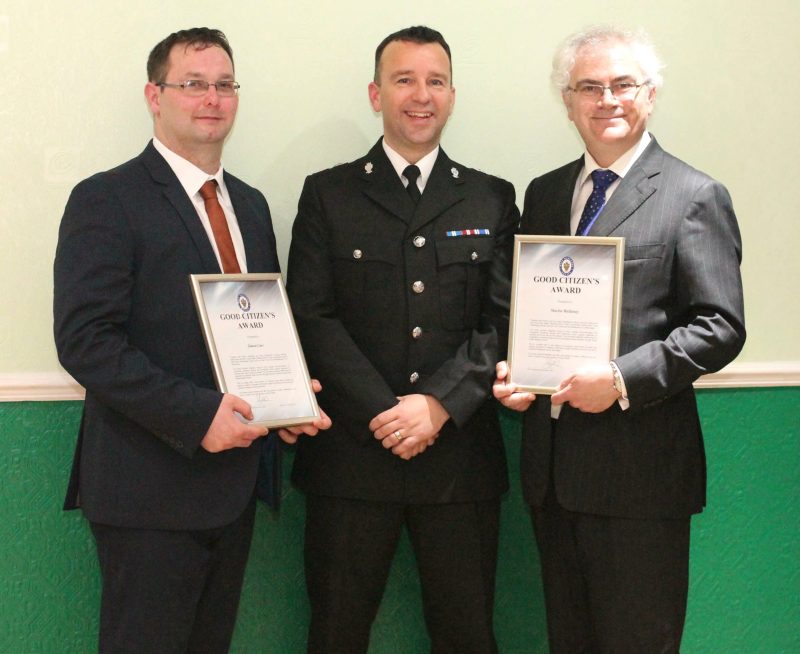
Simon Carr, Street Warden
“I don’t do this for the money, I do it to help people, if I can help one person a day then I’m happy.”
With police funding being cut as much as 24% according to the National Audit Office, in many areas local police forces do not have the time or resources to immediately deal with lower-level crimes such as shoplifting. Therefore, street wardens have been introduced in many areas to handle the smaller offenses and patrol the streets which the police cannot always do.
In the Birmingham area of King’s Heath, along the High Street the appointed street warden is Simon Carr, who patrols six days a week both on foot and in a car for quick response. He deals with reports of shoplifting and other relatively smaller offenses. Simon’s job has set him up as a fixture of the local community. He said that he has relationships with local businesses and people, and that helps as everyone helps out.
Simon is trained to deal with situations involving crime. He has
He said: “The police are already stretched thin so having me here helps fill in the gap where they can’t respond. Through training and experience on the job I’ve learned to look for behaviours and body-language”.
Shoplifting is not the only concern for Simon, he also deals with everything from homeless people living on the streets to fights breaking out in public spaces. Simon also helps vulnerable people, saying: “There is definitely a link between crime and poverty or being vulnerable. I spend time trying to help people access resources like benefits and accommodation”.
Simon is paid for by the BID, which is funded through business rates from local firms. At a time where police forces are working to reduced budgets, having Simon around to respond to smaller offences means less police time