

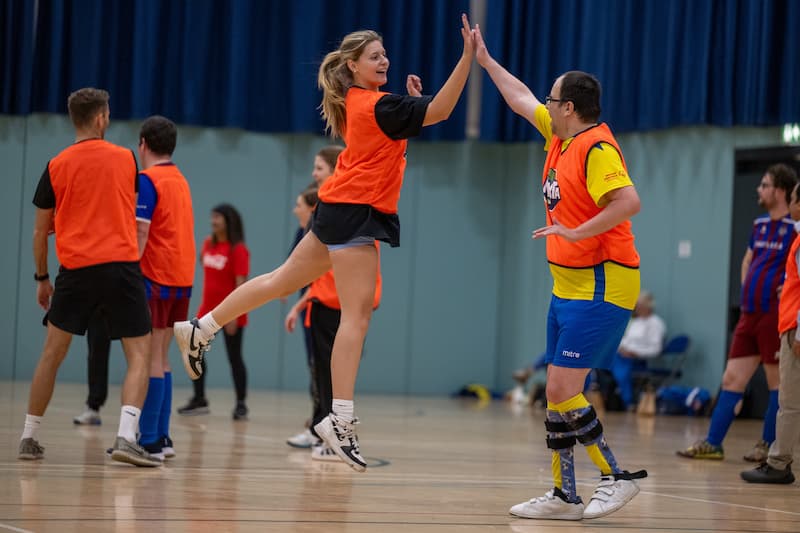
One organisation stands above the rest when it comes to promoting inclusion through sport: the Special Olympics. Cameron Kavanagh talks to Special Olympics GB marketing and communications lead Tom Rawlings about the organisation’s mission and how sport can change the world.
Founded in the USA in 1968 by Eunice Kennedy Shriver — the sister of former US president John F. Kennedy — the Special Olympics is open to athletes with an IQ of below 70-75 and/or low adaptive skills that impact at least one activity of daily living.
The initiative expanded to Great Britain a decade after its launch, as Special Olympics GB, and has been helping to change lives ever since.
Tom Rawlings, marketing and communications lead for Special Olympics GB, says the mission is partly driven by the fact that a lot of people with intellectual or learning disabilities have come through hardships.
“They’ve often been bullied at school,” he says. “Or not allowed to participate in mainstream clubs – they’ve been shut out of those.
“But sport can be the catalyst to change the world, and that’s very much my belief —sport can fix so many problems, from a health perspective, a wellbeing perspective, but also a confidence perspective.
Beyond the medal
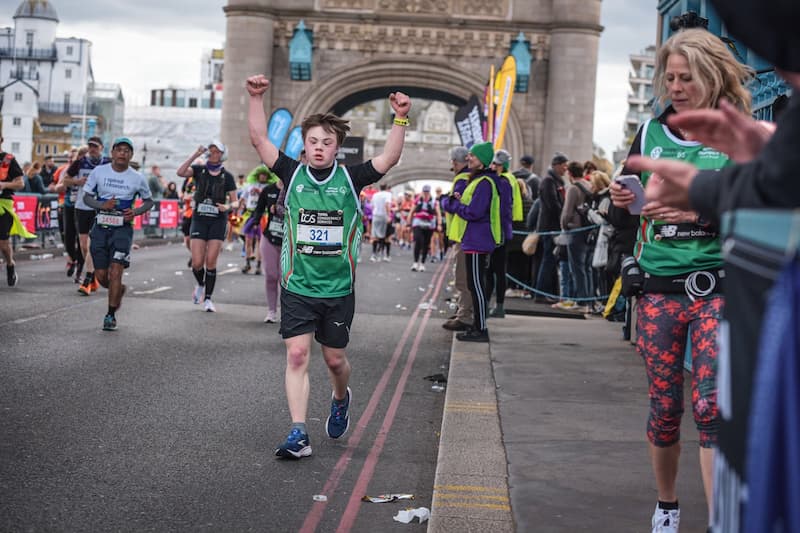
Medals means a huge amount to every athlete, Tom points out, but he’s keen to look at what else medals can represent.
“Our mission is [to ask] what can that medal do? Or what can that sport do? Can it enable somebody to live a healthier, active lifestyle?
“It can help develop new skill sets. It can help people go on to jobs, helping them live independently.”
Ideally, Tom says, we would live in a world where Special Olympics GB didn’t need to exist. “But unfortunately, we have to be there because of society.
“There is a record that only 6% of people with an intellectual disability in this country actually work. And that’s not good enough.
“Society has got to be better than that, with the right tools and support, these people can achieve so much.”
Providing “time and focus”
Sport is a huge public platform, and can be a platform for social change, breaking taboos, and ultimately changing the world. Tom puts this down to the “time and focus it provides
“I mean, I’ve always been interested myself in sport from an early age, and I’ve never been able to compete at any great levels, really, apart from Hertfordshire Schoolboys Cricket. But the fulfilment that you get from it… I suppose when you have something regular in your diary, in your calendar, that you could focus on, it makes such a big difference.
He feels that this translates to other areas too, such as areas with gang problems.
“Trusts and foundations of a lot of professional sporting clubs, that’s what they do. Rather than people being associated with gangs, it’s like, well, no, just get them together playing football.
“One of the most famous stories of history is about unifying people through sport: when, on Christmas Day, during the First World War, the German and English soldiers put down their guns and had a game of football on Christmas Day.
“So, it’s a unifying thing where so many people can come to come together.”
A great leveller
As well as the health benefits, the teamwork can be a great leveller as well, he says.
“For example, one of our swimming athletes who lives in Dundee – Taylor – she competes at a very strong level against mainstream swimmers from all over Scotland, and they don’t recognise that she’s got an intellectual disability, that’s where sport is that leveller.
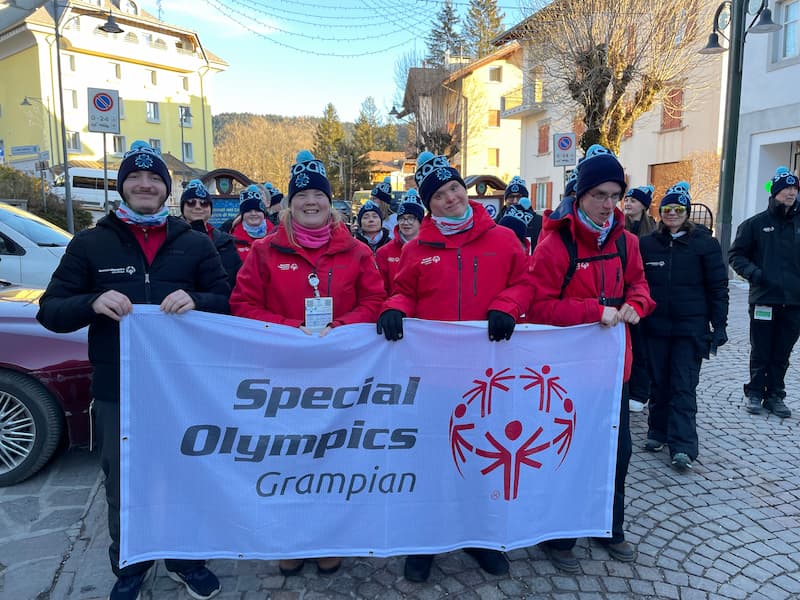
“But just bringing people together, with Special Olympics GB, we are that safe space.
“So, the sessions that our clubs run around the country, they are for people with intellectual disabilities, that safe space where they can come together, enjoy their sport and feel fulfilled from it and gain confidence from it because for a lot of the people we work with, without these opportunities they would have quite lonely lives — whereas we bring people together.”
An earlier version of this story was first published on Cameron Kavanagh’s blog.