

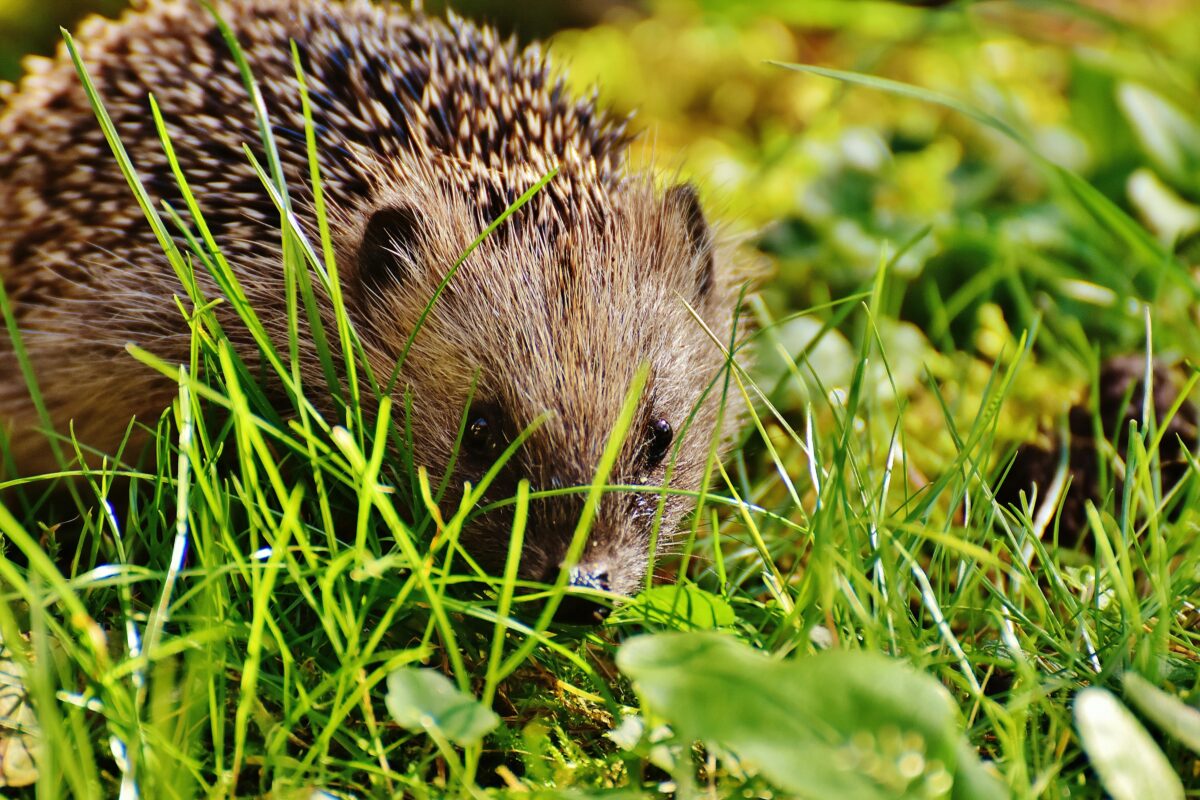
Certain protected animal populations in England have risen by 5% from 2012 to 2022. Classed as “priority animals”, these include hedgehogs, bats and red squirrels, amongst others.
This is according to new government biodiversity data.
The Government aims to stop the decline in protected species by 2030 and then reverse the decline by 2042.
The Joint Nature Conservation Committee (JNCC) said: “This information provides an essential source of evidence for reporting biodiversity change and the impact of policies and actions to conserve biodiversity”.
According to the World Wide Fund for Nature (WWF), conserving biodiversity is valuable for many reasons:
“Animals and plants aren’t just valuable for their own sake – they’re also part of a wider natural environment that may provide food, shelter, water, and other functions, for other wildlife and people”.
Continual efforts
However, overall numbers of protected species continue to decline, falling by 21% since records began in 1970.
The Environmental Improvement Plan devised under the last Conservative government set out plans to work with landowners, communities and businesses. The plans aim to “restore nature, reduce environmental pollution, and increase the prosperity of our country”.
In its manifesto, the new Labour government outlines aims to continue efforts to preserve England’s nature:
“Labour will deliver for nature, taking action to meet our Environment Act targets, and will work in partnership with civil society, communities and business to restore and protect our natural world”.