

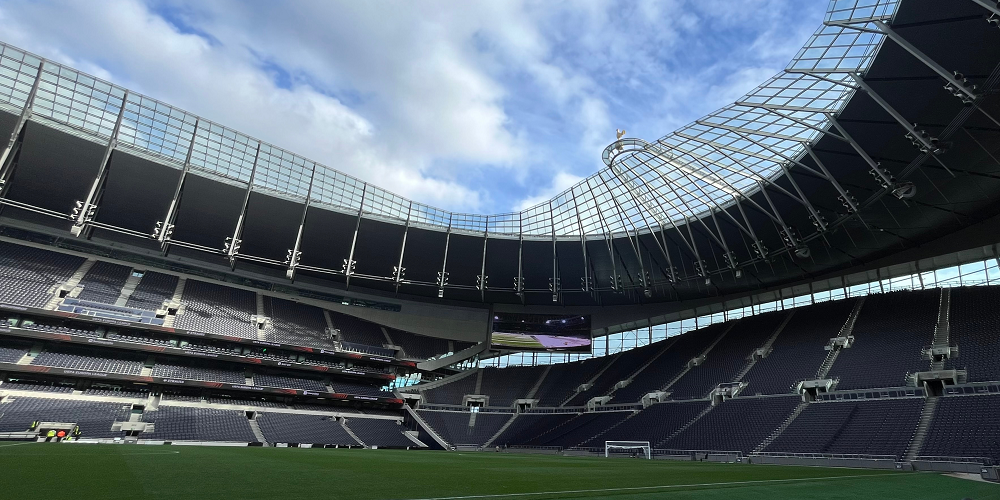
The Premier League’s ‘big six’ ranked among the top teams for most greenhouse gas emissions in 2023, an exclusive analysis by The Asterisk for Birmingham Eastside reveals.
Manchester United, Chelsea, Tottenham Hotspur, Manchester City, Arsenal and Liverpool were responsible for the largest environmental impact in the league that year.
The analysis is based on the latest Streamlined Energy & Carbon Reporting (SECR) reports from clubs participating in the 2023/24 Premier League season. It focused on emissions from activities that are owned or controlled by the club and from consumption of purchased energy, known as “Scope 1” and “Scope 2” respectively.
Emissions are reported in tonnes of carbon dioxide equivalent (tCO2e). Manchester United led with the highest emissions of 7166 tonnes, with Chelsea’s 7119 tonnes ranking second.
“It is not surprising that the ‘big six’ clubs have the highest emissions,” Dr. Leslie Mabon, Lecturer in Environmental Systems at the Open University said.
“They have the largest stadiums in terms of capacity and also likely the most extensive training infrastructure. The size of this infrastructure means there will be more premises to power and heat, which in turn leads to higher overall emissions.
“The largest clubs will also have more matches due to going deeper in the domestic and European tournaments, which will mean more days where the stadium needs to be powered.”
Manchester United and Spurs respond
Responding to the findings, a spokesperson for Manchester United said: “We remain committed to our longstanding efforts to responsibly manage our impact on the environment, including our carbon footprint.
“Our higher emissions relative to other clubs reflects us having the largest stadium in the Premier League and among the most extensive commercial activities.”
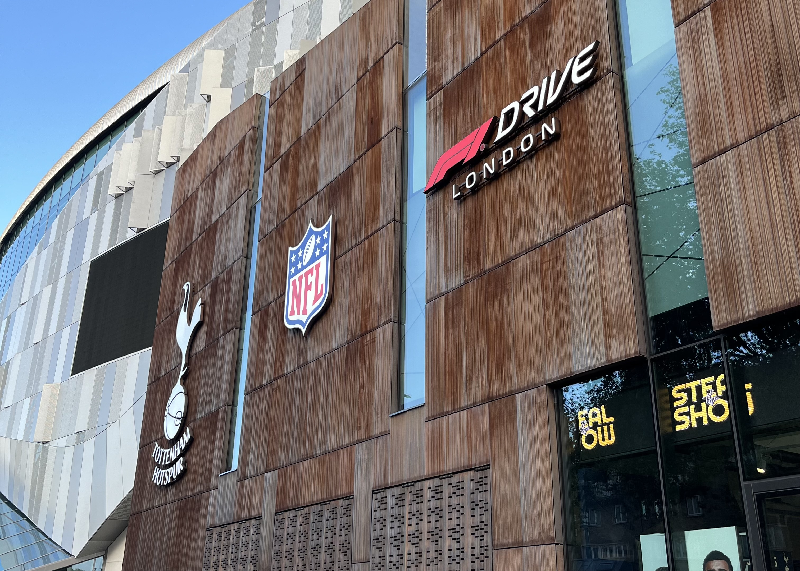
Tottenham Hotspur said that the club is dedicated to minimising the environmental impacts of its activities across all club operations.
“We embrace initiatives and technologies that reduce our environmental impact whenever possible,” a Tottenham spokesperson said, adding that they were “working towards improving efficiency and sustainability across the club at all levels – encouraging employees, suppliers and partners to do the same.”
Brighton, Brentford and Everton’s environmental efforts
8th-placed Brighton is working to further enhance its efforts to reduce emissions.
“Brighton & Hove Albion are committed to reducing our environmental impact and have taken a number of steps to reduce the club’s carbon emissions,” said Tom Harris, Brighton’s sustainability manager.
“Brighton recognises that there is more to be done and is developing a strategy to identify opportunities to make further improvements in this area,” he added.
Brentford said that the club recognised the importance of protecting the environment.
“We have a responsibility to operate in a sustainable way and use our platform to promote sustainability,” a Brentford FC spokesperson said.
“We have already achieved a lot but we are constantly seeking ways to improve our environmental practices, and we have more to do.”
Everton’s relocation to its new stadium could reduce emissions, as the stadium will be one of the most sustainable in the sport.
“It will be one of the most environmentally-friendly football stadiums ever built,” said a spokesperson for the team.
“The club will also be providing a focus on sustainability as part of communications activity relating to our move to a new stadium over the next 18 months.”
13 other clubs including Manchester City, Chelsea, Arsenal and Liverpool either didn’t respond or turned down requests for comment.
Luton Town wasn’t contacted for comment as it did not publish its carbon emissions report.
Big Six can lead by example
While every club has taken up initiatives to curb emissions, the Premier League heavyweights can have a strong influence in encouraging green practices, says Dr. Mabon.
“Where the Big Six clubs can lead the way is to lead by example. As these are the clubs that get the most media attention, any activities they do to reduce their emissions will likely have a greater chance of being picked up if they are promoted. This in turn can encourage other clubs, including those at lower levels in the football pyramid, to reflect on their own stadium operations.”
Dr. Mabon added that clubs like Manchester City, with their group ownership model, are uniquely positioned to drive global change.
“Man City can share best practice with other teams in their ownership group. This will allow good practices (e.g. renewable energy use, energy efficiency in the stadium) to spread globally,” he said.
This story is jointly published with The Asterisk newsletter. Subscribe for free for regular updates on the business of sport.