

The UK is using extradition to move suspects between the US and the UK twice as much as the United States, relative to the countries’ populations, Birmingham Eastside has learned.
The Home Office describes extradition as “the formal process where one country asks another to return a person in order to stand trial or to serve a sentence”.
The UK has extradited 87 individuals from the US, while 242 have made the opposite journey since January 2004, according to data obtained through a Freedom of Information (FoI) request.
“The United States is a country five times the size of the United Kingdom in population,” a US Department of Justice (DOJ) official told Birmingham Eastside. “So when adjusted for the population difference, the United Kingdom actually utilises the extradition treaty more frequently than the United States by a significant percentage.
“Indeed, one would have expected the UK to have sought just one-fifth the number of fugitives as the United States, but their number is twice that.”
An unbalanced treaty?
The US-UK extradition treaty has often been termed as unbalanced and favouring the US. Under the 2003 treaty, the US does not need to present strong evidence to a UK court to seek extradition whereas the UK must provide substantial proof to the US.
Dr. Paul Arnell, Legal Academic at Robert Gordon University and an expert in extradition law believes the treaty is fair, however.
“That view is largely misplaced,” Dr. Arnell told Birmingham Eastside. “As far as the evidential requirement that each country must meet is concerned, there is no real practical difference.”
The approaches to extradition in the UK and US domestically differ quite notably, according to Dr. Arnell.
“The UK adopts more of a protective function of the process than the US,” he said. The UK courts ensure that the rights of the person being extradited are protected.
“This is generally because the UK applies a relatively complex and detailed law, the Extradition Act 2003, whilst the US applies a rather skeletal chapter of its Code in conjunction with the relevant treaty.”
Just one extradition denied by the US
The Department of Justice stated that the number of denials issued by both countries is equally important and reflects a stark imbalance in the relationship.
“In the more than 16 years since the extradition treaty entered into force, the United Kingdom has denied over 20 extradition requests submitted by the United States while the United States has denied just one,” it said.
The treaty continues to produce tangible results, bringing justice in both the UK and the US, a Home Office official said.
“Under the treaty, the UK has secured the extradition and subsequent conviction of terrorists, murderers, rapists and child sexual offenders,” the official said.
Other crimes individuals have been extradited for in both directions include fraud, burglary, drugs, sexual offences, manslaughter, and child abduction.
“Our courts are focused on ensuring justice is defended and have exercised their powers to bar extradition where they have found it right to do so,” the Home Office added.
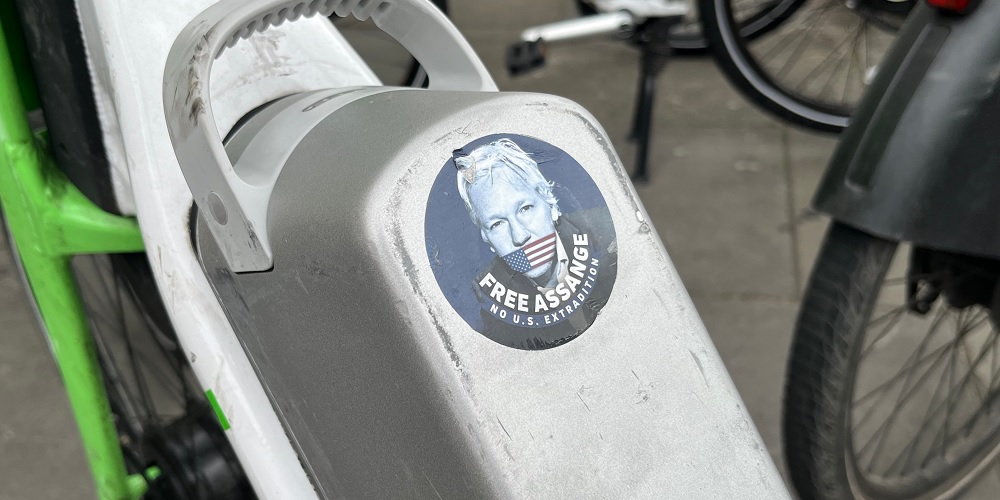
The high-profile extradition case of WikiLeaks founder Julian Assange brought the treaty under the spotlight and could have potential implications for future extradition practices between the two countries.
Dr. Arnell said he expected that relations between the two countries will continue as is.
“Neither country has the political will to further amend relations through concluding a new treaty or amending the existing one,” he said.
“A factor might be the re-election of Trump, but even that, I think, would not lead to a change in practice,” he added.