

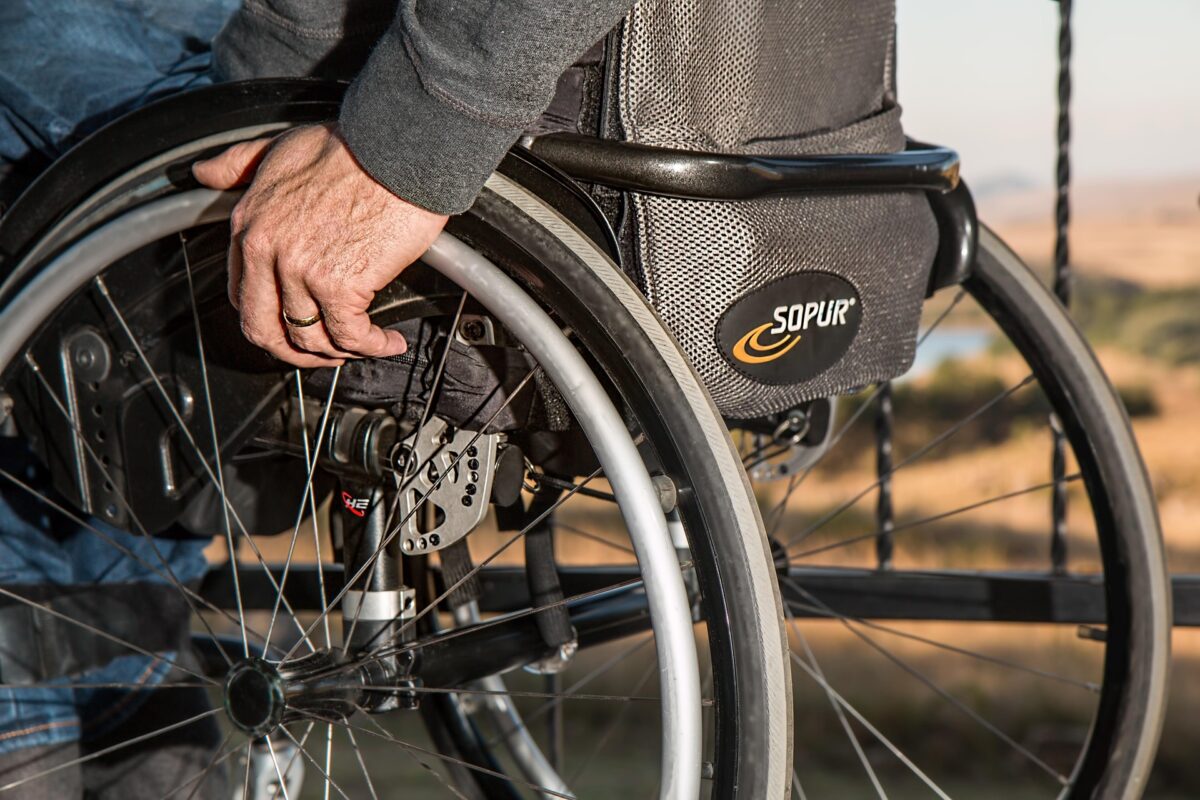
The chairman of the Disabled Photographers Society, Paul Hinchcliffe, says that there is a deficit in opportunities for disabled photographers in the creative community.
“I think the creative community is that big that it is hard for someone disabled to make an impact,” he says.
The society that he chairs, founded in 1968, aims to make photography more accessible for the disabled community through support and equipment modification.
“The aim of the group is to provide people with any disability with the equipment to go out into the world and take pictures.”
Modifications include an extendable arm allowing someone to use a camera and wheelchair simultaneously without stumbling or dropping their equipment, and a tongue- or mouth-operated switch which uses a remote to trigger the shutter.
Hinchcliffe lost his sight 10 years ago, and says this has impacted his experience of the creative community in two ways:
“Photography was a therapy for me because I could do it on my own without having to worry about other people or what’s around me.
“The downside is I’ve got a guide dog. So I’m very conscious that somebody might assume that means you can’t see anything, and they will think ‘why has he got a camera and a guide dog?’
“It’s a lot of my personal anxiety that stops me and would potentially stop a lot of disabled people who are in a similar position,” he says.
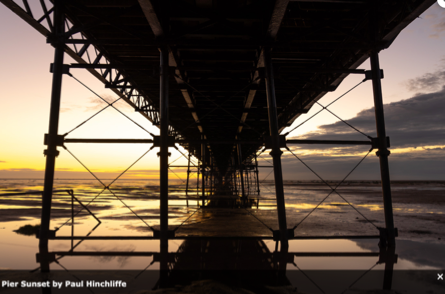
Research by the Advertising Association in 2021 found that only 9% of those in media and advertising had a disability compared to 20% of the general population.
“One of the aims of the Disabled Photographers Society is removing the obvious barrier of people assuming that disabled people can’t do something,” Paul says.
According to one survey, 88% of disabled people felt the most prominent barriers stopping them from progressing in their creative career was a lack of understanding of reasonable adjustments and a lack of awareness of disabilities.
“When given the skill, encouragement and adaptations it is quite possible. That shouldn’t be a barrier,” he adds.
Hinchcliffe says he wants to reach more people and provide more independence.
“Because it does give you independence that you may not normally have had.
“It’s empowering to give that person the ability to go out and do it. Whether it’s a wheelchair adjustment or a talk about how to use a camera if you are visually impaired. It’s encouraging them to try new things.”